
Your kitchen cabinets do much more than hold dishes and cookware—they define how your kitchen looks, functions, and supports your daily routine. Whether you’re planning a complete remodel or simply updating your cabinetry, taking a structured approach will help you make decisions that improve both organization and long-term value.
If you’re considering new Kitchen Cabinets, following a clear planning process can help you avoid costly mistakes while creating a kitchen that’s both beautiful and practical.
Begin by evaluating how you use your kitchen every day. Your cooking habits, storage needs, and household size should guide every cabinet decision.
Choosing cabinetry involves far more than selecting colors or door styles. Cabinet layout, storage features, materials, and installation quality all influence how efficiently your kitchen functions for years to come.
Instead of making decisions one piece at a time, approach your project with a complete plan that balances aesthetics, functionality, and budget.
- ✓ Define your renovation goals.
- ✓ Measure your available space.
- ✓ Identify storage priorities.
- ✓ Establish a realistic budget.
- ✓ Plan for future household needs.
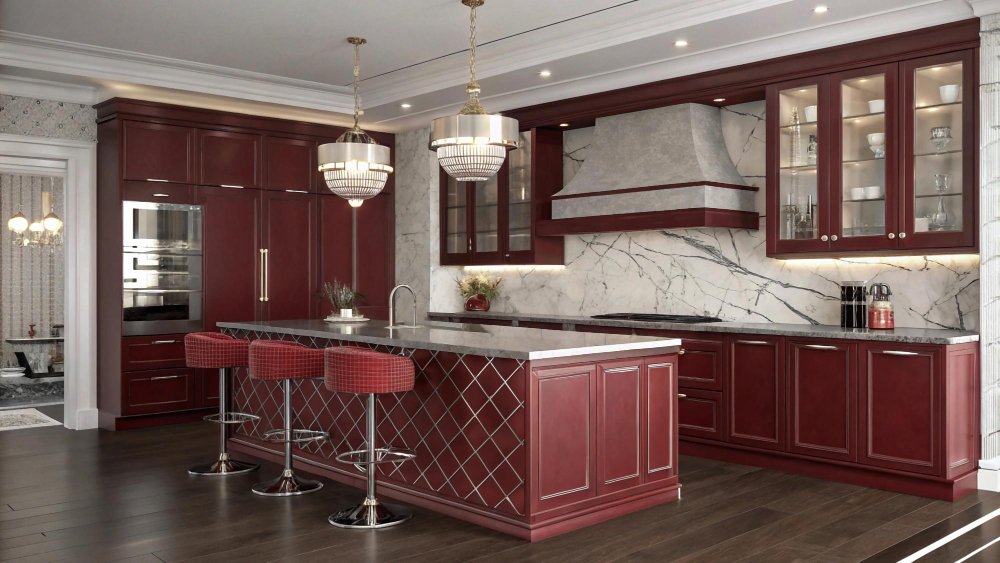
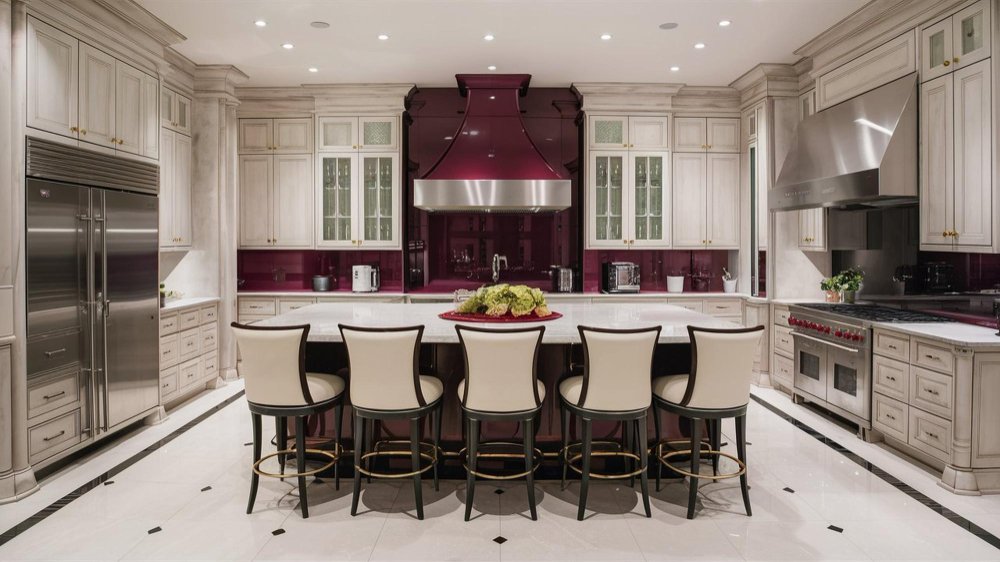
Step 1: Evaluate Your Kitchen and Storage Requirements
Before exploring cabinet styles, spend time analyzing your existing kitchen. Which areas feel crowded? Where do you run out of storage? Which cabinets are difficult to access?
Create a simple inventory of what your kitchen needs to store, including cookware, dishes, pantry items, small appliances, recycling bins, and specialty equipment. This exercise often reveals opportunities to improve organization before selecting any cabinet style.
Use this planning checklist:
- Measure wall lengths and ceiling height.
- Identify plumbing, electrical, and appliance locations.
- Evaluate countertop workspace.
- List storage items by category.
- Consider future lifestyle changes.
Avoid choosing cabinets based solely on appearance. Even beautiful cabinetry can become frustrating if the layout doesn’t support everyday workflow.
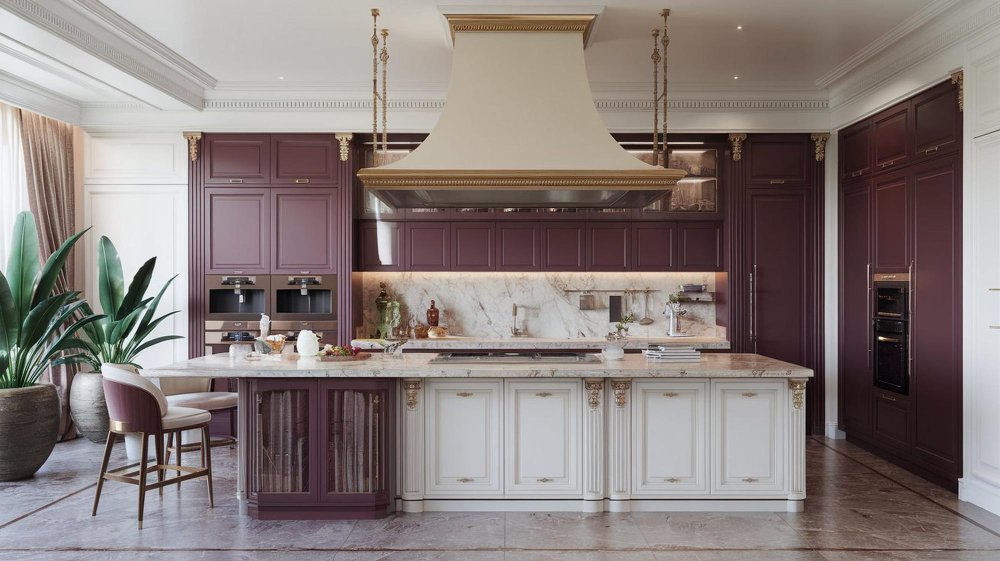
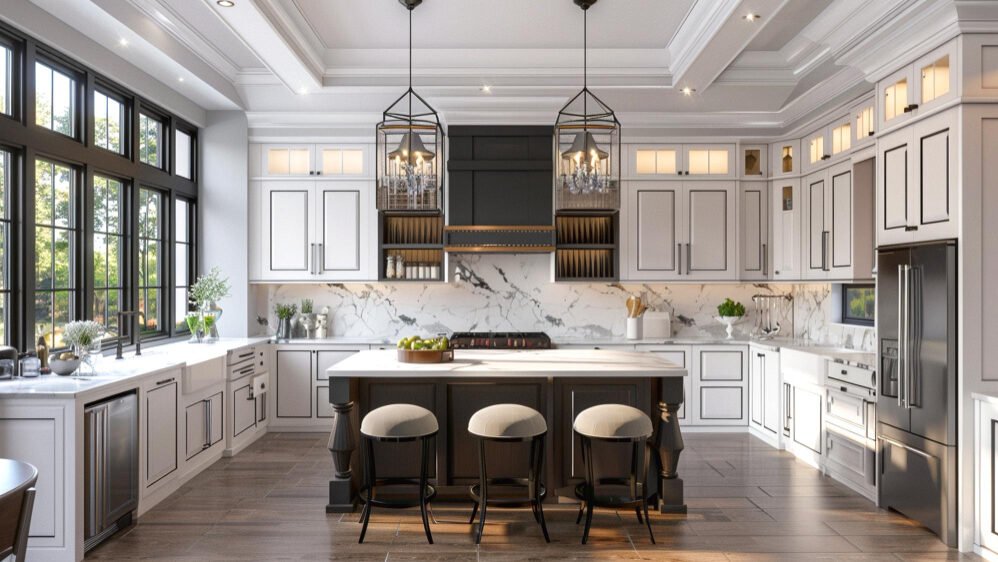
Step 2: Select Cabinet Styles, Materials, and Features
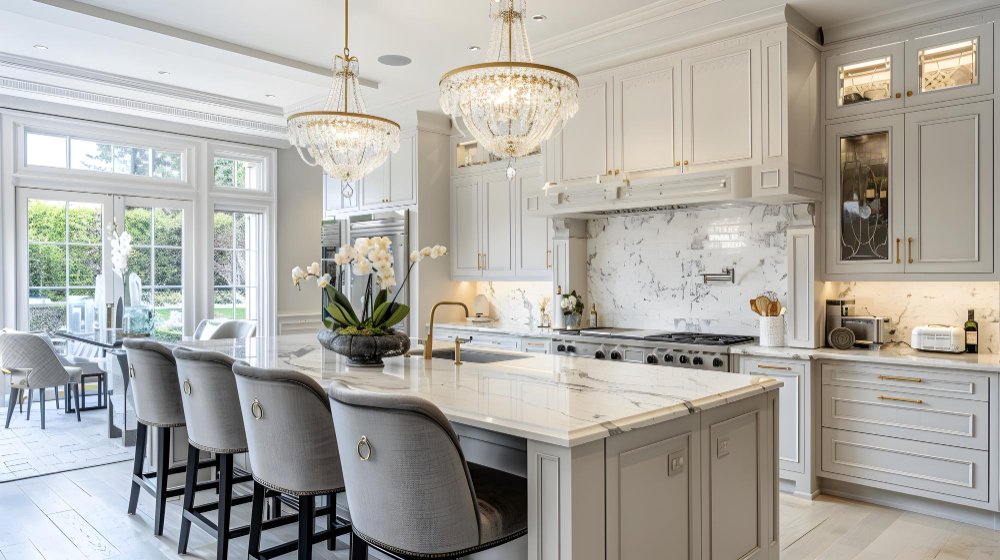
Once your storage needs are clear, it’s time to compare cabinet materials, finishes, hardware, and organizational features. Modern cabinetry offers far more than shelves behind doors—pull-out organizers, deep drawers, corner storage systems, and integrated recycling centers all contribute to a more efficient kitchen.
Many homeowners researching Kitchen Cabinetry also compare construction quality, finish durability, and customization options to ensure their investment provides lasting value.
As you compare options, ask yourself:
- ✓ Which cabinet style complements your home’s design?
- ✓ Do you need more drawers than shelves?
- ✓ Would pull-out storage improve accessibility?
- ✓ Are durable finishes important for your household?
- ✓ Will the design remain appealing for years to come?
Prioritize functionality first. The most attractive kitchen is also one that’s easy to cook, clean, and organize every day.
Don’t wait!
Contact us now to schedule your consultation and discover how we can transform your kitchen into the heart of your home!
Step 3: Prepare for Installation and Long-Term Success
Even the highest-quality cabinets perform best when installed correctly. Before installation begins, verify measurements, finalize appliance locations, and confirm that plumbing and electrical work have been completed according to your renovation plan.
Homeowners exploring Kitchen Storage Cabinets often discover that thoughtful installation planning prevents unnecessary delays and helps every cabinet fit exactly as intended.
Complete this final checklist before installation:
- Confirm all cabinet dimensions.
- Inspect delivered materials for damage.
- Verify appliance specifications.
- Review cabinet hardware placement.
- Coordinate countertop installation timing.
Verify all dimensions before installation begins. Small measurement errors can affect cabinet alignment, appliance fit, and countertop fabrication.
Putting Your Plan into Action
Planning kitchen cabinets is about much more than selecting attractive finishes. A successful project combines thoughtful storage design, quality materials, careful measurements, and professional installation to create a kitchen that supports everyday living.
By following a structured process—evaluating your storage needs, selecting cabinetry that matches your lifestyle, and preparing carefully for installation—you’ll be well positioned to create a kitchen that’s organized, functional, and built to last. The result is cabinetry that not only enhances the appearance of your home but also makes cooking, entertaining, and daily routines more enjoyable for years to come.