
Bathrooms are quiet spaces. They’re where mornings begin and evenings slow down. But when cabinetry feels dated, worn, or visually heavy, that sense of calm disappears. Full bathroom remodels can feel like overkill—costly, disruptive, and often unnecessary. That’s why bathroom cabinets refacing has become such a thoughtful alternative. Many homeowners begin exploring this option while researching services like Cabinets Refacing.
Refacing doesn’t aim to reinvent the bathroom. It refines it. It works with what’s already there and gently reshapes how the space feels—lighter, cleaner, more intentional—without tearing everything apart.
What Bathroom Cabinets Refacing Really Is
Bathroom cabinets refacing updates the visible parts of your cabinetry while keeping the existing cabinet boxes intact. Doors and drawer fronts are replaced, exposed cabinet frames are covered with matching veneer, and hardware is often updated to complete the look. This approach is often compared with broader updates discussed in Transform Your Kitchen with Cabinet Refacing, but on a more compact, bathroom-specific scale.
Nothing structural changes. The layout stays the same. Plumbing remains untouched. The transformation happens through materials, proportion, and finish—subtle changes that make a noticeable difference.
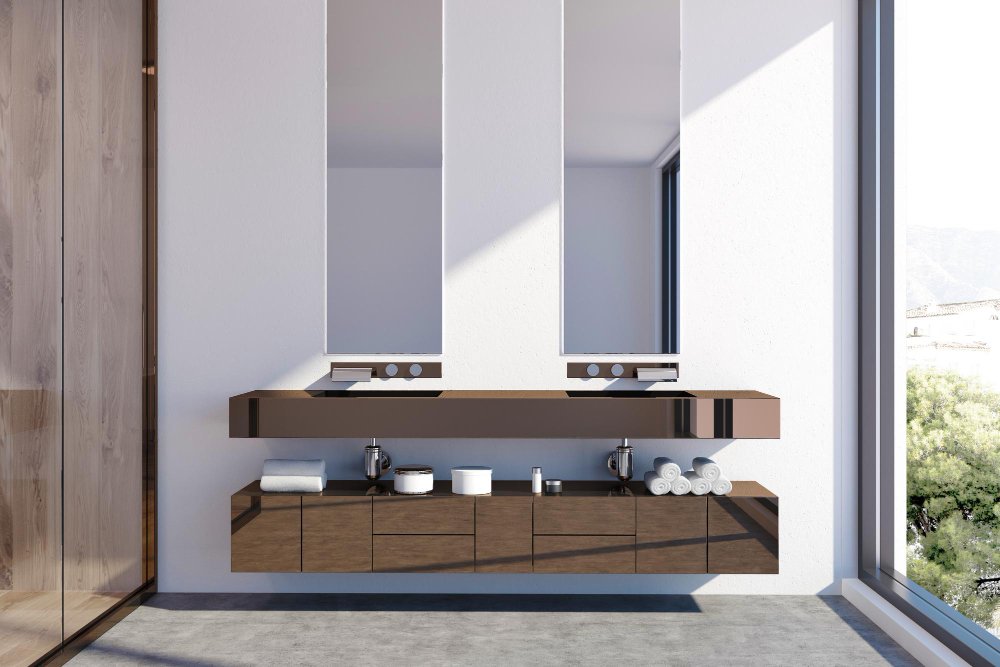
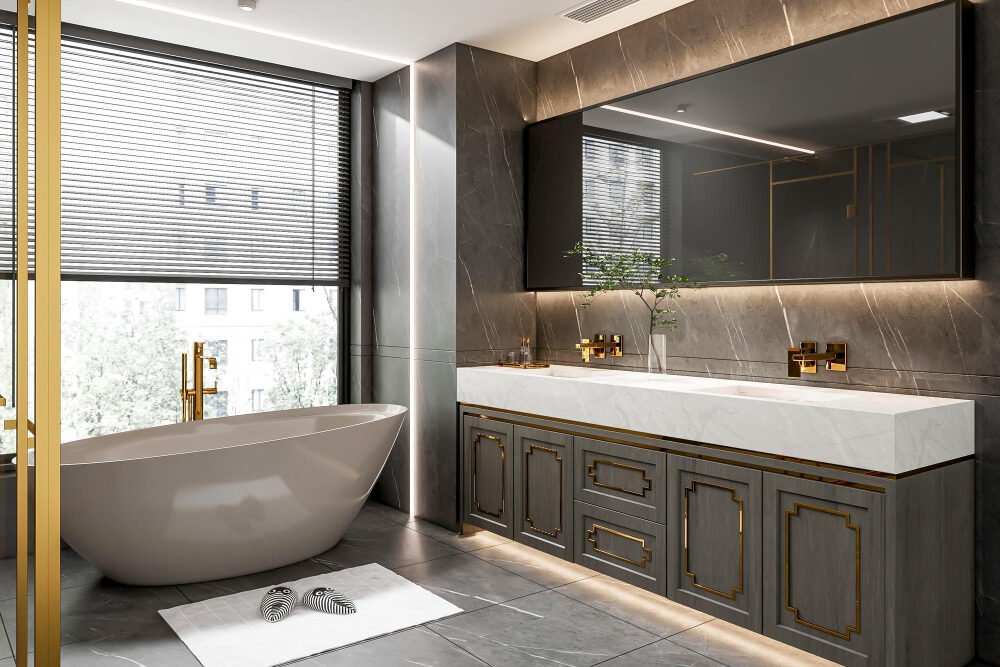
Why Refacing Works Especially Well in Bathrooms
Bathrooms don’t need excess to feel elevated. They need balance.
Refacing works so well here because:
Bathroom cabinetry is typically smaller and simpler than kitchen cabinetry
Visual clutter stands out more in compact spaces
Clean lines and calm finishes have a greater impact
Replacing bulky or dated cabinet doors with slimmer profiles instantly makes the room feel more open. Updating finishes softens harsh contrasts and allows light to move more freely—benefits often highlighted in guides like A Bathroom Vanity Transformation Journey.
Bathroom Cabinet Refacing Cost: What to Expect
When homeowners ask about bathroom cabinet refacing cost, the range is usually more approachable than expected. Most refacing projects fall between $2,000 and $5,000, depending on the vanity size, materials, and level of customization. Cost expectations are frequently reviewed alongside resources such as Understanding Bathroom Remodel Cost.
Cost is influenced by:
Number of doors and drawers
Door material (MDF, wood, laminate)
Finish type and durability
Hardware upgrades
Labor and prep work
Compared to full bathroom remodels, refacing delivers a high visual return with far less financial commitment.
Bathroom Vanity Refacing vs. Replacement
The bathroom vanity often anchors the entire space. When it looks tired, everything else follows.
Bathroom vanity refacing allows you to:
Change the door style
Update the color or finish
Improve proportions and details
Without:
Removing countertops
Reworking plumbing
Replacing flooring
If the vanity structure is solid, refacing is often the smarter, calmer choice. Replacement only becomes necessary when there’s water damage, structural failure, or severe wear—situations often discussed in Bathroom Replacement: A Complete Guide to Transforming Your Space.
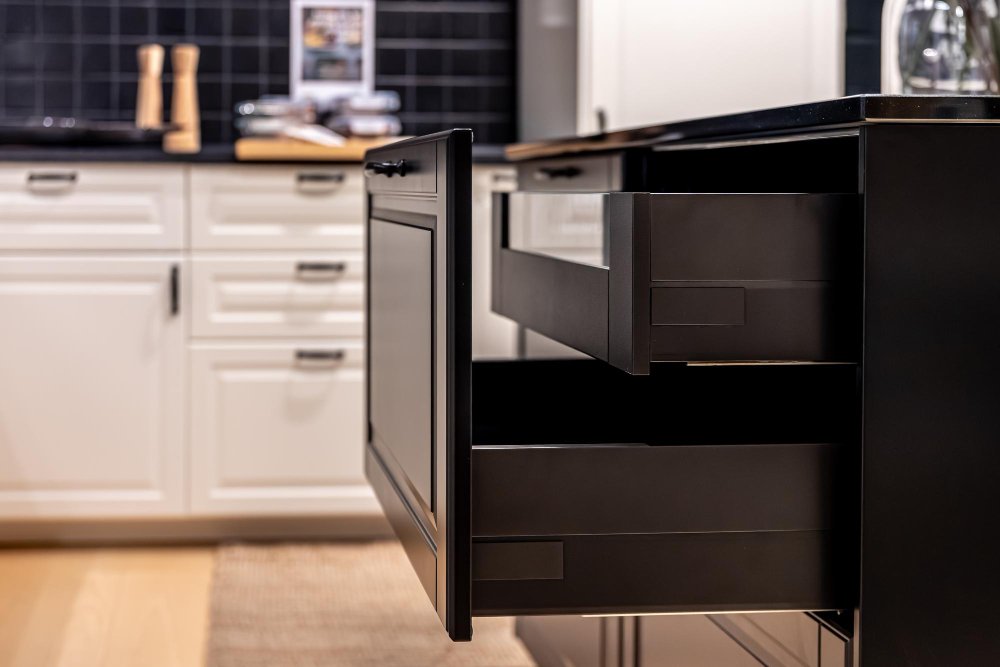
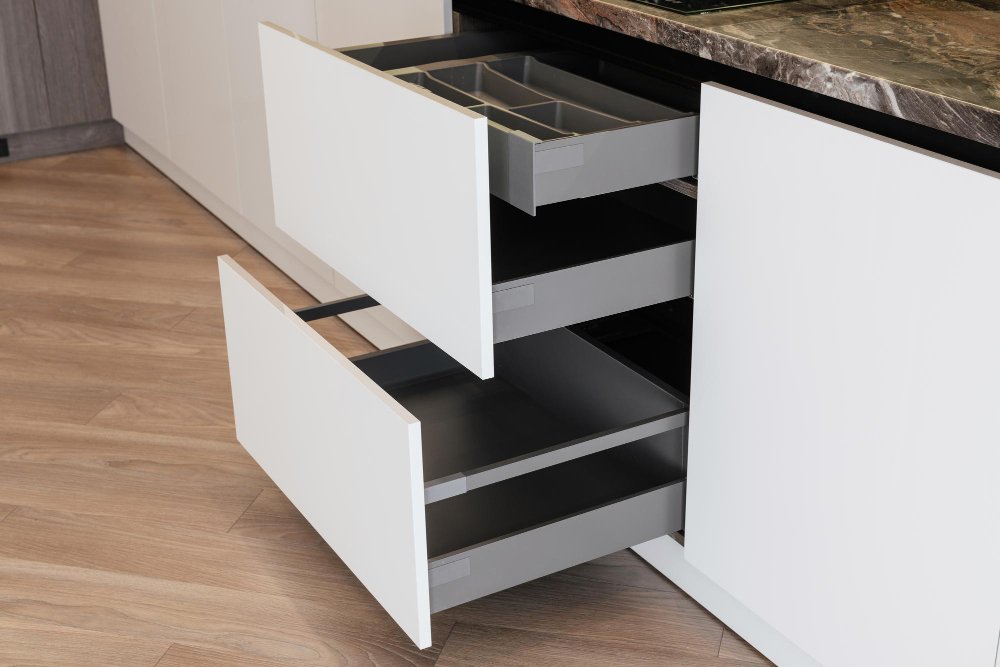
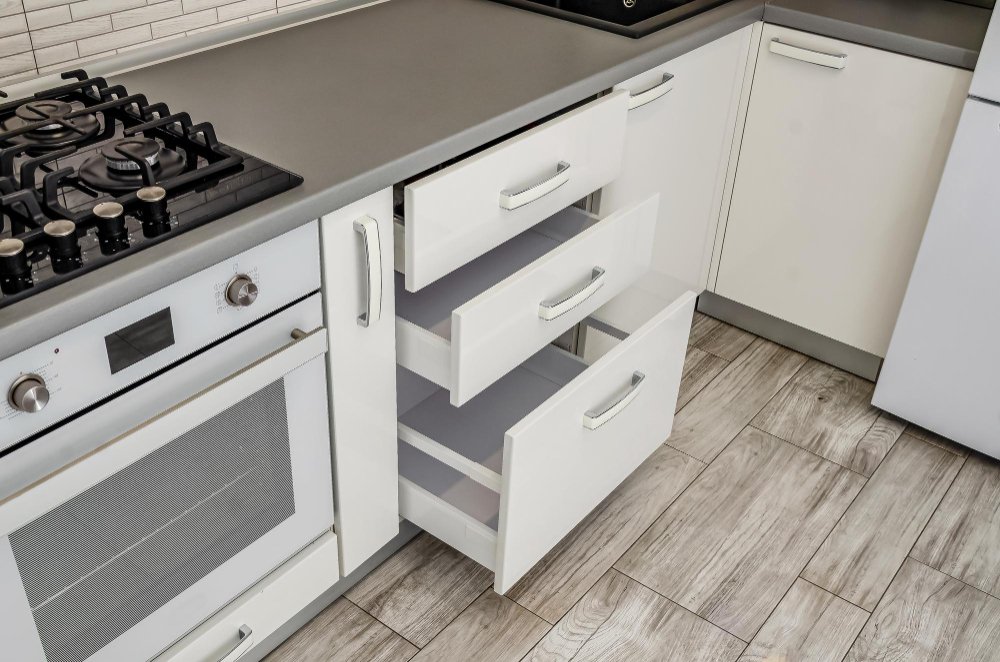
Style Choices That Create Calm
In bathrooms, restraint is everything.
Refacing offers the opportunity to:
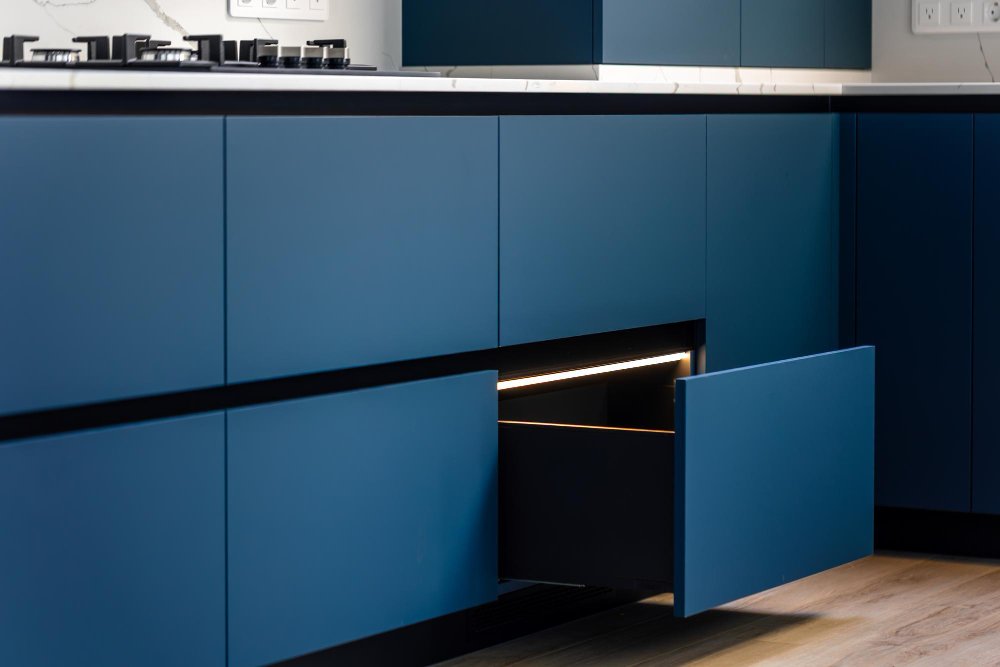
Choose flat-panel or soft Shaker doors
Opt for matte or satin finishes
Introduce subtle, neutral tones
Warm whites, soft greiges, pale woods, and muted earth tones tend to age beautifully in bathrooms. They pair effortlessly with tile, stone, and metal fixtures without competing for attention—an approach often echoed in Elevate Your Bathroom with the Perfect Vanity Set.
This is where refacing feels less like construction and more like curation.
Timeline and Daily Life
Bathroom cabinets refacing is usually completed in 1–3 days. There’s minimal dust, no demolition, and far less disruption than a traditional remodel.
For homes with one main bathroom, this matters. Refacing allows the space to remain functional while quietly improving how it looks and feels—an advantage often compared with larger projects like Home Improvement Guide to Bathroom Remodel Design.
Longevity and Moisture Resistance
Bathrooms demand durable finishes. When done professionally, refaced cabinets can last 10–15 years or more, even in moisture-heavy environments.
Proper prep, quality materials, and moisture-resistant coatings ensure the finish holds up against humidity, daily use, and frequent cleaning. Many homeowners weigh this durability alongside insights from Why Cabinet Refacers Are the Best Investment for Your Home.
This isn’t a temporary cosmetic fix—it’s a long-term refinement.
Don’t wait!
Contact us now to schedule your consultation and discover how we can transform your kitchen into the heart of your home!
When Bathroom Cabinets Refacing Is the Right Choice
Refacing makes sense when:
Cabinet boxes are structurally sound
The vanity layout works
You want visual improvement without renovation stress
You value calm, cohesive design
It’s ideal for guest bathrooms, hall baths, and primary bathrooms alike—anywhere a quiet upgrade is more appealing than a full overhaul.
Final Thought
Bathroom cabinets refacing is about intentional change. It respects the existing space while gently elevating it. There’s no excess, no disruption—just thoughtful updates that restore calm and clarity.
For homeowners who want their bathroom to feel lighter, cleaner, and more modern without the weight of a remodel, refacing is often the most elegant solution. A professional assessment can help determine if your cabinets are good candidates and which refinements will make the greatest impact. Learning more through resources like Say Goodbye to Old Cabinets: Cupboard Refacing Made Easy can help clarify next steps.