
It usually starts the same way. You’re standing in your kitchen, coffee in hand, looking at cabinets that technically still work—but somehow make the whole space feel tired. You scroll through remodel photos, see price tags that make you wince, and quietly think, There has to be another option.
That’s where the question comes in: what is kitchen cabinets refacing, and why do so many homeowners overlook it? Many people first encounter the concept while exploring services like Cabinets Refacing.
Refacing lives in that middle ground most people don’t talk about. It’s not a full remodel. It’s not a quick paint job. It’s something smarter—an upgrade that changes how your kitchen looks and feels without tearing it down to the studs.
The Moment Most People Skip Over
When kitchens feel outdated, replacement seems like the obvious answer. New cabinets, new layout, new everything. But replacement assumes the existing cabinets are the problem.
Often, they’re not.
In many homes, cabinet boxes are solid. They’re level, sturdy, and built far better than what you’d get today at entry-level prices. What’s outdated are the doors, drawer fronts, finishes, and hardware—the parts you actually see and touch every day.
Kitchen cabinets refacing focuses exactly there, an approach frequently highlighted in Transform Your Kitchen with Cabinet Refacing.
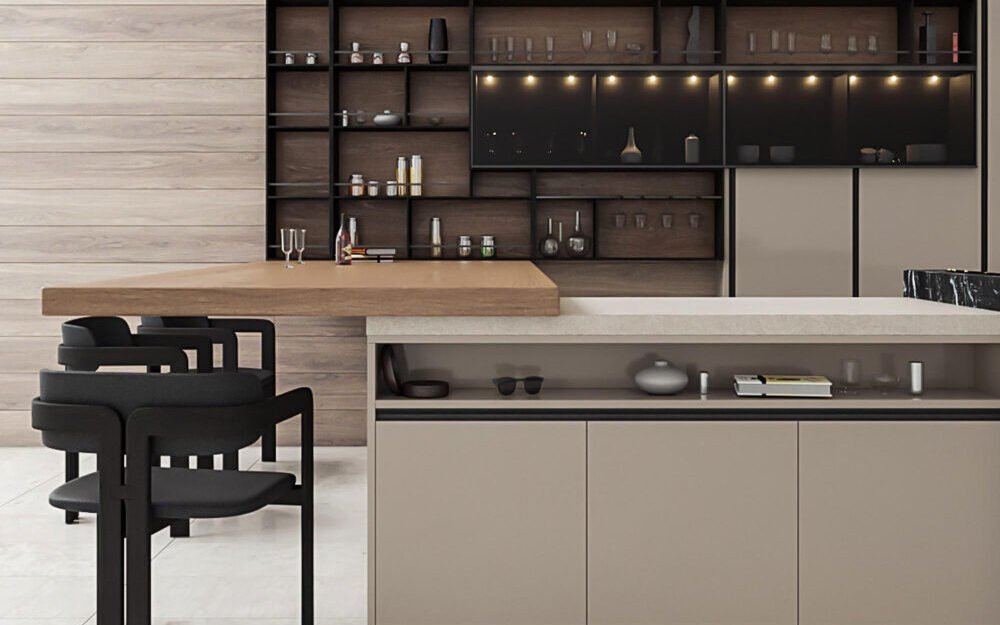
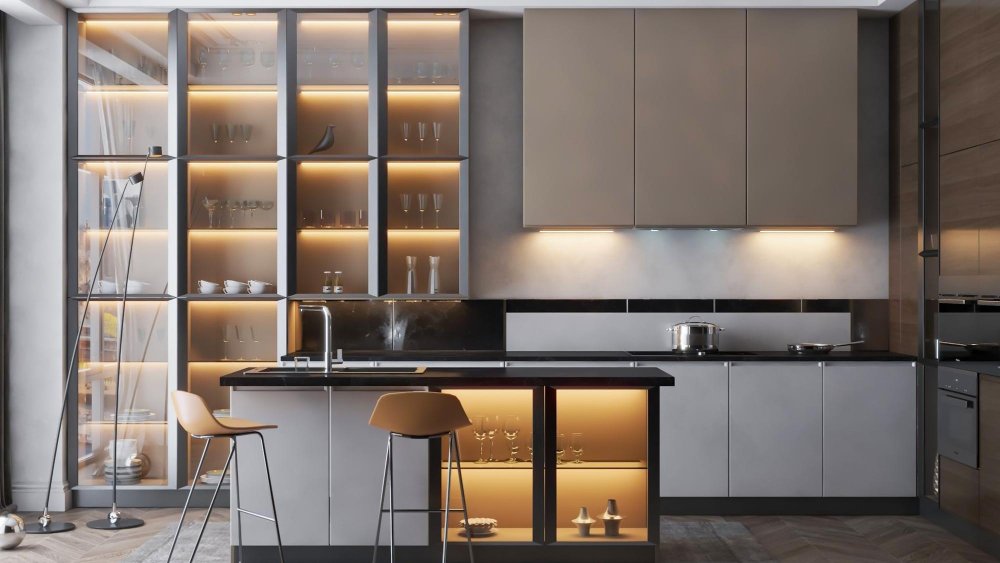
So… What Is Kitchen Cabinets Refacing?
Kitchen cabinets refacing is the process of keeping your existing cabinet boxes while replacing the visible exterior components.
That usually includes:
New cabinet doors and drawer fronts
Matching veneer applied to exposed cabinet frames
Updated hinges and hardware
The layout stays the same. Plumbing stays put. Counters often stay too. But visually, the kitchen can look completely different—cleaner, more modern, more intentional.
It’s not about cutting corners. It’s about not rebuilding what doesn’t need rebuilding.
Why Refacing Feels Like a Missed Opportunity
Refacing gets overlooked because it’s not flashy. It doesn’t come with demolition photos or dramatic “before walls come down” moments. But that’s exactly why it works so well.
Homeowners who choose refacing usually realize something important: most kitchens don’t need more, they need better. Better proportions. Better finishes. Better details.
Refacing lets you redirect budget away from destruction and into visible quality—a value perspective often discussed in Why Cabinet Refacers Are the Best Investment for Your Home.
Cabinet Refacing vs Replacement: The Real Difference
When comparing cabinet refacing vs replacement, the decision usually comes down to condition and goals.
Replacement makes sense when:
Cabinet boxes are damaged or poorly built
Layout changes are necessary
Storage needs aren’t being met
Refacing makes sense when:
Cabinet boxes are solid
You like your kitchen layout
The style feels dated, not broken
In other words, replacement solves structural problems. Refacing solves visual ones—often without the disruption described in Kitchen Renovation: Transforming Your Space with Style and Function.
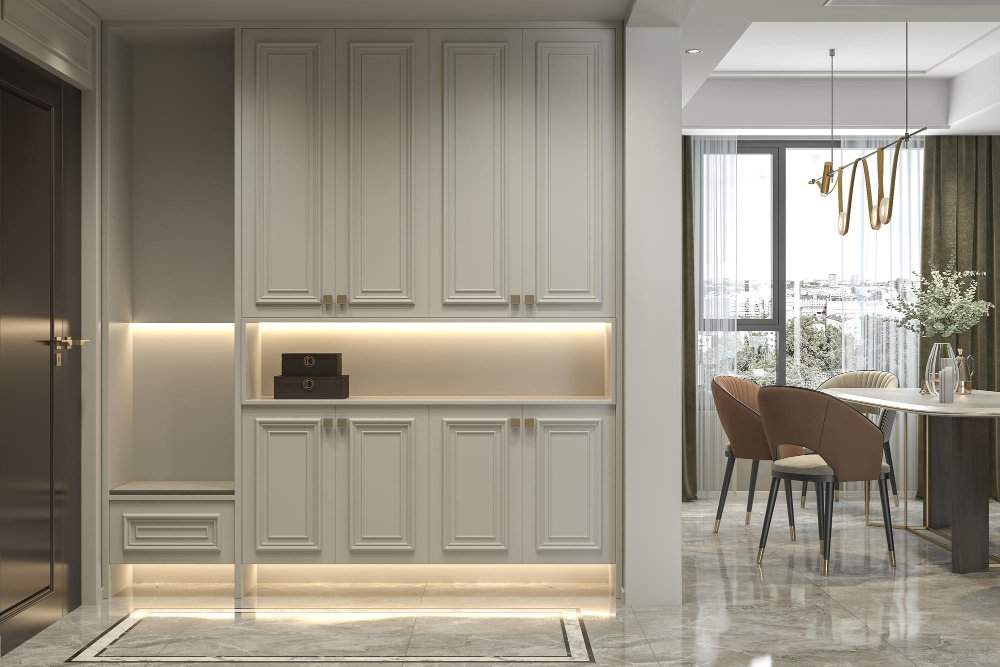
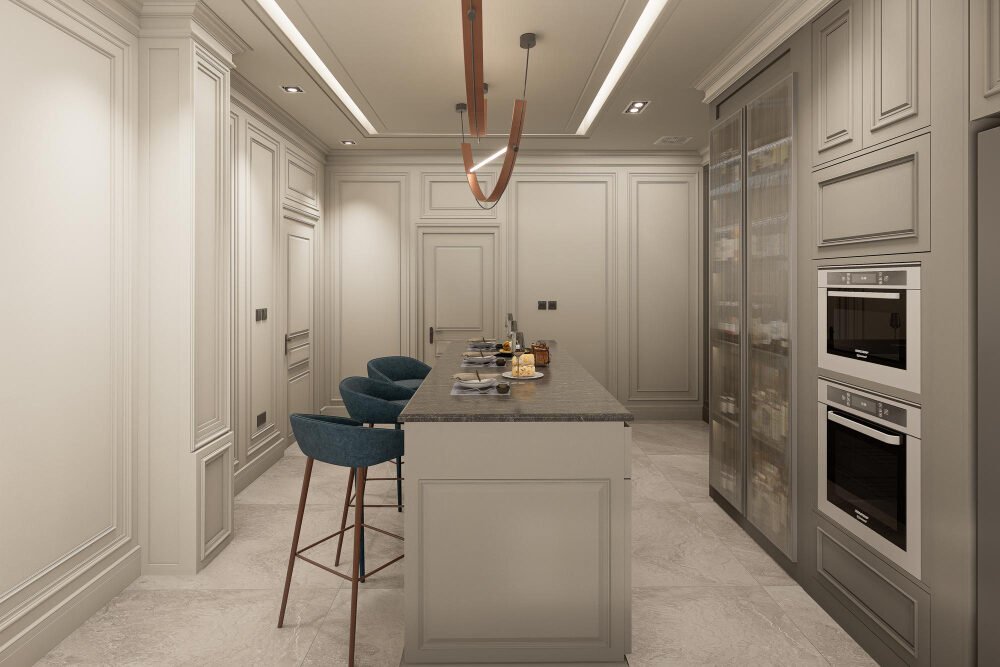
The Cost Reality Most People Don’t Expect
One of the biggest surprises for homeowners is kitchen cabinet refacing cost.
While prices vary by size and materials, refacing typically costs 30–50% less than full cabinet replacement. You’re paying for craftsmanship and materials—not demolition, disposal, and reconstruction. Many homeowners explore this further through resources like Kitchen Cabinets Refacing Cost: What You’re Really Paying For.
Costs are influenced by:
Number of doors and drawers
Door material and style
Level of customization
Hardware and finish quality
It’s not the cheapest option—but it often delivers the best value when cabinets are worth saving.
What Actually Changes After Refacing
Here’s the part people don’t expect: refacing doesn’t just update cabinets—it changes how the entire kitchen feels.
New door profiles adjust proportions. Lighter finishes reflect more light. Updated hardware subtly shifts the kitchen’s personality. Suddenly, countertops and backsplashes look better too, even though you didn’t touch them.
It’s a reminder that kitchens are systems. Change one major visual element, and everything responds—an effect often noted in A Guide to Upgrading Your Kitchen’s Style and Function.
Don’t wait!
Contact us now to schedule your consultation and discover how we can transform your kitchen into the heart of your home!
When Refacing Isn’t the Right Answer
Refacing isn’t magic. It won’t fix:
Water-damaged cabinet boxes
Structural sagging
Poor original construction
A good refacing professional will tell you when replacement makes more sense. That honesty is part of what makes refacing effective—it only works when the foundation is solid.
Why Homeowners Who Choose Refacing Rarely Regret It
People who choose refacing often say the same thing afterward: I didn’t realize how much of a difference it would make.
That’s because refacing respects what already works. It doesn’t disrupt daily life for weeks. It doesn’t introduce unnecessary complexity. It simply corrects what time and trends have left behind.
For many kitchens, it’s the most efficient path to feeling new again—a sentiment echoed in Refresh Your Kitchen with Cabinet Refinishing and Refacing.
The Upgrade Hiding in Plain Sight
So, what is kitchen cabinets refacing really?
It’s the upgrade that asks a better question—not “What should we replace?” but “What’s already good enough to keep?” And in a world where remodeling often means excess, that’s a refreshingly smart place to start.
A professional evaluation can tell you quickly whether your cabinets are good candidates—and if they are, refacing might be the upgrade you didn’t realize your kitchen was waiting for. Learning more through resources like Say Goodbye to Old Cabinets: Cupboard Refacing Made Easy can help clarify next steps.