
Surface sanding is a foundational cabinet refinishing service that prepares existing cabinets for a smooth, durable, and long-lasting finish. This process focuses on removing old coatings, surface imperfections, and buildup so new paint or stain can properly adhere. For homeowners updating cabinets through refinishing, surface sanding is one of the most important steps, directly affecting how the final result looks and how well it holds up over time. Many homeowners exploring options like Transform Your Kitchen with Cabinet Refacing quickly learn how critical proper surface preparation is.
What the Service Includes
Surface sanding begins with an assessment of the cabinet materials and existing finish. Different cabinets require different sanding methods depending on whether they are solid wood, veneer, or engineered materials. The goal is not to remove excessive material, but to create a clean, even surface that allows new finishes to bond correctly. This evaluation process is often discussed alongside services such as Cabinet Refacing Near Me: An Affordable and Stylish Solution for Your Kitchen.
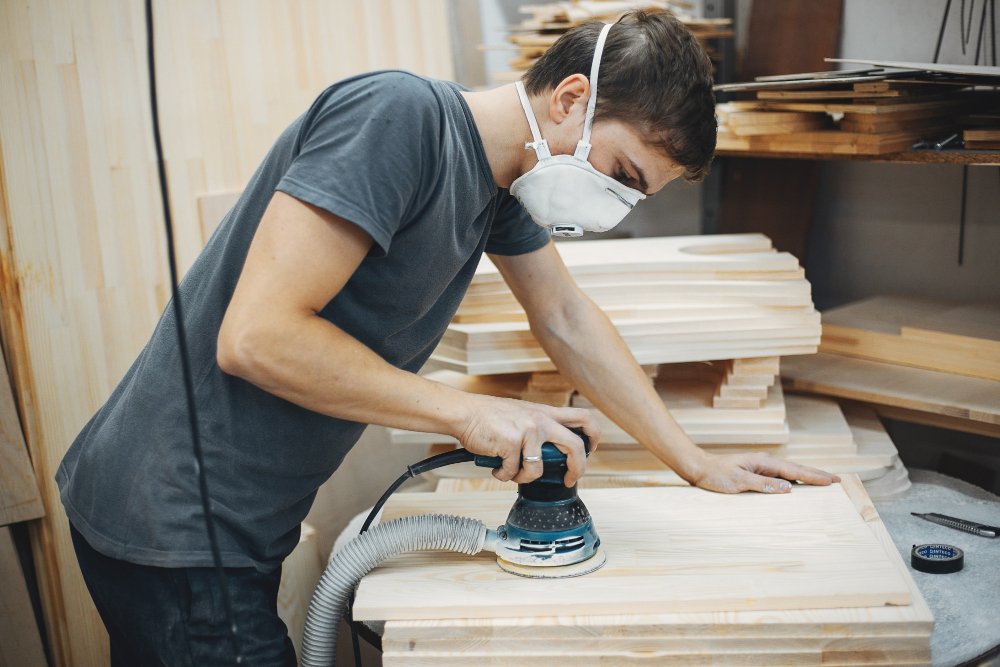
The process typically starts with removing cabinet doors, drawer fronts, and hardware. All surfaces are cleaned to eliminate grease, oils, and residue that can interfere with sanding effectiveness. Once cleaned, sanding is performed using professional tools and techniques designed specifically for cabinetry, not rough construction work.
Sanding removes gloss, clear coats, old paint, or stain while smoothing out minor scratches, dents, and wear patterns. Edges, corners, and detailed areas receive careful attention to maintain the cabinet’s shape and profile. In some cases, multiple sanding stages are used to achieve the right level of smoothness without damaging the surface, a step commonly emphasized in Refresh Your Kitchen with Cabinet Refinishing and Refacing.
After sanding, cabinets are inspected for remaining imperfections. Small flaws can be filled and smoothed, ensuring the surface is uniform and ready for the next stage of refinishing. Dust control and cleanup are handled carefully to keep the work area clean and prevent debris from affecting later finish application.
Benefits for the Homeowner
One of the biggest benefits of surface sanding is improved finish quality. Properly sanded cabinets allow paint or stain to go on evenly, reducing the risk of peeling, bubbling, or visible brush marks. This results in a smoother, more professional appearance that looks intentional rather than layered over an old surface. Homeowners researching How to Reface Cabinets on a Budget and Elevate Your Kitchen often discover that sanding quality plays a major role in final results.
Surface sanding also improves durability. When finishes adhere correctly, they are far more resistant to chipping, cracking, and everyday wear. This is especially important in kitchens and bathrooms, where cabinets are exposed to moisture, temperature changes, and frequent use.
From a visual standpoint, sanding helps eliminate years of wear and tear. Scratches, discoloration, and uneven textures are reduced or removed, giving cabinets a refreshed and consistent base.
Homeowners also benefit from peace of mind. Knowing that cabinets have been properly prepared helps ensure the refinishing investment lasts. This is a key reason professionals often compare sanding-intensive refinishing projects to larger efforts like Kitchen Renovation: Transforming Your Space with Style and Function when discussing longevity.
Process Overview
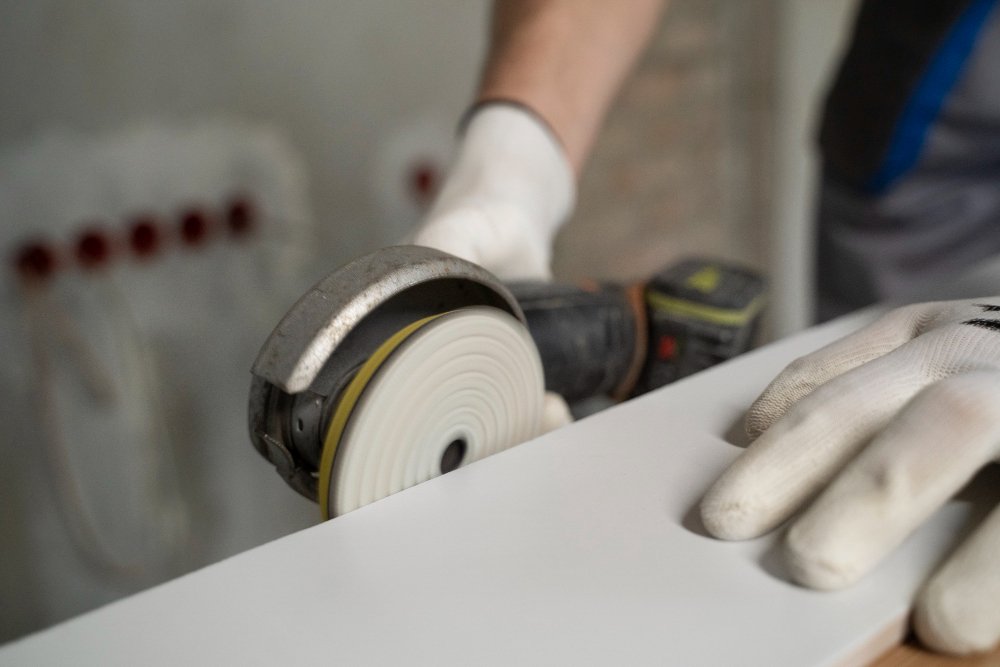
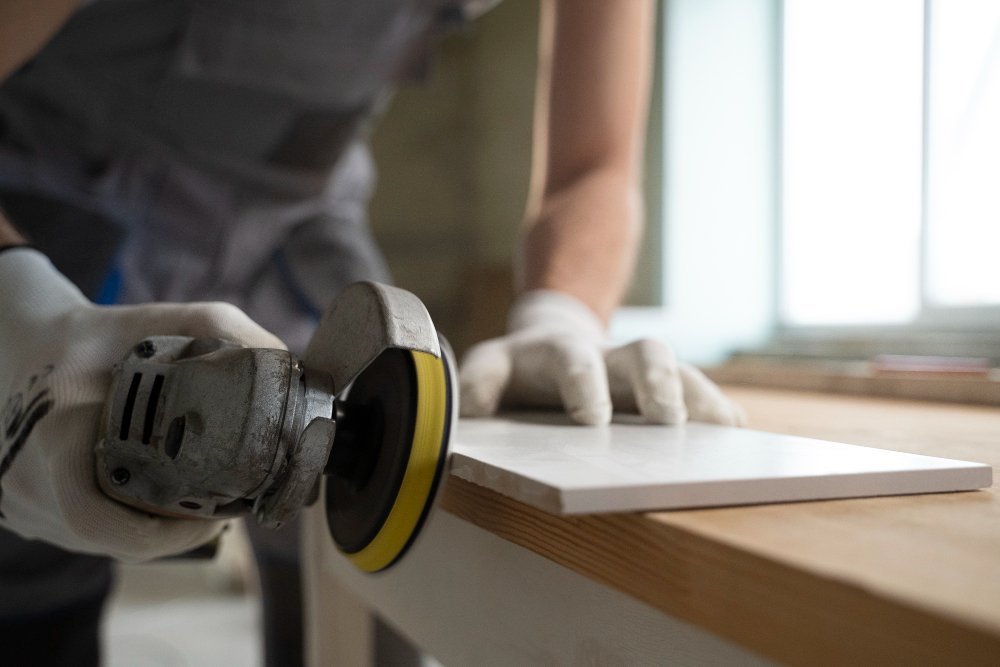
The surface sanding process is methodical and detail-focused. It begins with preparation, including removing cabinet components and protecting surrounding areas. Surfaces are cleaned thoroughly before sanding begins.
Sanding is then performed using the appropriate grit levels to remove the existing finish while preserving the integrity of the cabinet material. Professionals adjust techniques based on cabinet condition, material type, and desired final finish, following best practices similar to those outlined in A Guide to Upgrading Your Kitchen’s Style and Function.
Once sanding is complete, surfaces are inspected, repaired if needed, and cleaned of dust. The cabinets are then ready for primer, paint, or stain application, ensuring the next steps proceed smoothly and predictably.
Read More in Cabinets Refinish Blog
Why This Service Matters
Surface sanding matters because it directly impacts the success of any cabinet refinishing or color change project. Cabinets may look acceptable on the surface, but hidden issues like worn clear coats, grease buildup, or uneven finishes can cause new coatings to fail if not addressed. This long-term value is often highlighted in discussions such as Why Cabinet Refacers Are the Best Investment for Your Home.
This service is especially important when changing cabinet color, refinishing older cabinets, or correcting previous DIY paint jobs.
Soft Call to Action
For homeowners planning a cabinet refinishing project, surface sanding is a step worth understanding and prioritizing. Learning more through resources like Say Goodbye to Old Cabinets: Cupboard Refacing Made Easy can help ensure cabinets look better, last longer, and perform well in daily use.