
If you’re researching kitchen cabinets refacing cost, chances are you’re standing at a familiar crossroads. Your kitchen cabinets work just fine, but they look dated, worn, or simply not your style anymore. Full replacement feels excessive (and expensive), yet doing nothing doesn’t solve the problem. That’s where cabinet refacing often enters the picture. Many homeowners start by exploring Cabinets Refacing to understand whether it’s the right middle-ground solution.
Refacing sits between refinishing and full replacement, both in scope and in price. But what exactly are you paying for—and how do you know if it’s worth it? This step-by-step guide breaks down kitchen cabinet refacing costs so you can make a confident, informed decision.
Step 1: Understand What Cabinet Refacing Actually Includes
Before talking numbers, it’s important to understand what refacing means.
Cabinet refacing typically involves:
Replacing cabinet doors and drawer fronts
Applying new veneer to the exposed cabinet boxes
Updating hardware like hinges and handles
The cabinet layout stays the same. The boxes remain in place. What changes is everything you see and touch on the surface. Homeowners often compare this approach with resources like Cabinet Refacing Near Me: An Affordable and Stylish Solution for Your Kitchen.
Because this process uses your existing cabinet structure, it usually costs less than full replacement—but more than simple refinishing.
Step 2: Know the Typical Kitchen Cabinets Refacing Cost Range
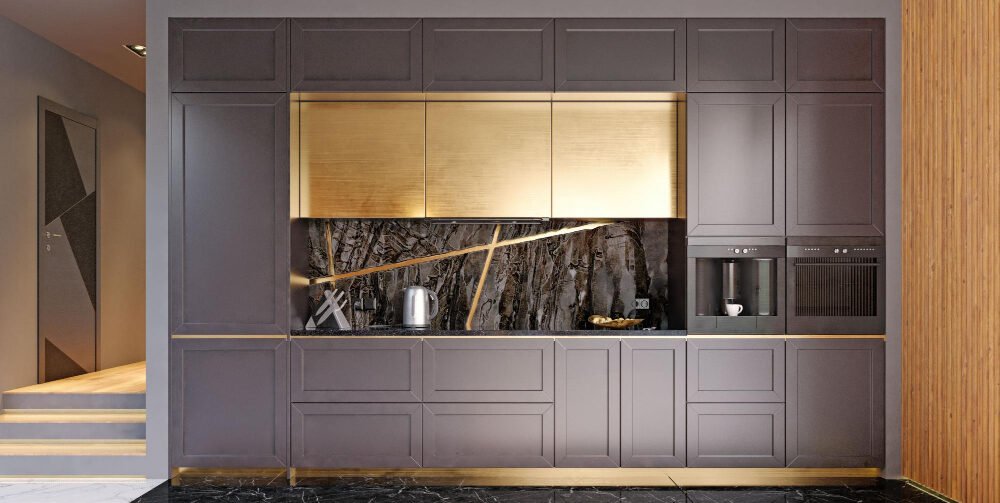
Most homeowners find that kitchen cabinets refacing cost falls somewhere between $7,000 and $15,000, depending on the size of the kitchen and material choices.
Smaller kitchens with basic door styles and laminate veneers tend to land on the lower end. Larger kitchens with custom door profiles, wood veneers, or premium hardware can push costs higher.
While refacing isn’t cheap, it’s often 40–60% less than full cabinet replacement, making it appealing for homeowners who want a big visual upgrade without major construction.
Step 3: See How Materials Impact the Price
Materials are one of the biggest cost drivers in cabinet refacing.
Door and drawer materials can include:
Thermofoil
Laminate
Wood veneer
Solid wood doors
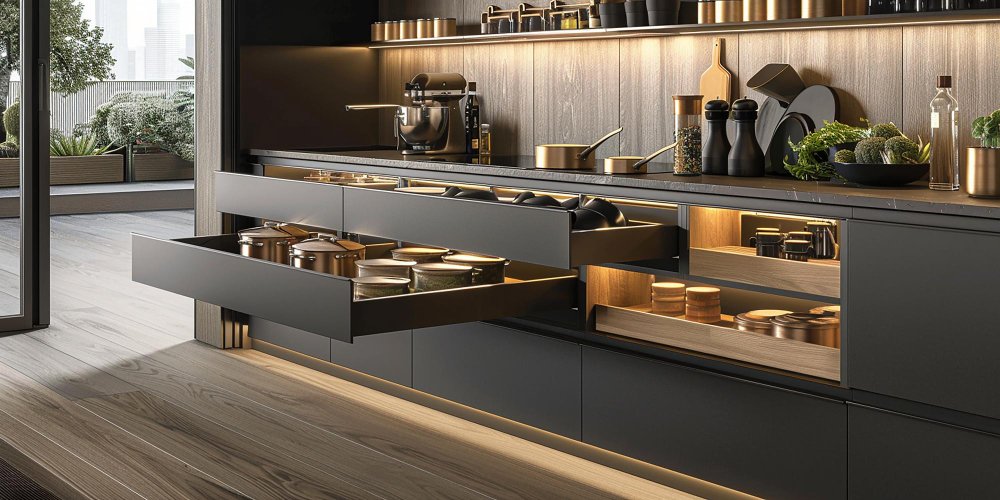
Laminate and thermofoil are typically more budget-friendly. Wood doors and veneers increase costs but also offer more depth, texture, and long-term appeal.
Hardware choices matter too. Standard knobs and hinges cost far less than soft-close hinges, specialty pulls, or custom finishes.
Step 4: Compare Cabinet Refacing vs Refinishing
One of the most common questions homeowners ask is about cabinet refacing vs refinishing.
Refinishing:
Keeps existing doors and drawer fronts
Focuses on sanding, painting, or staining
Costs significantly less
Works best when doors are solid and in good shape
Refacing:
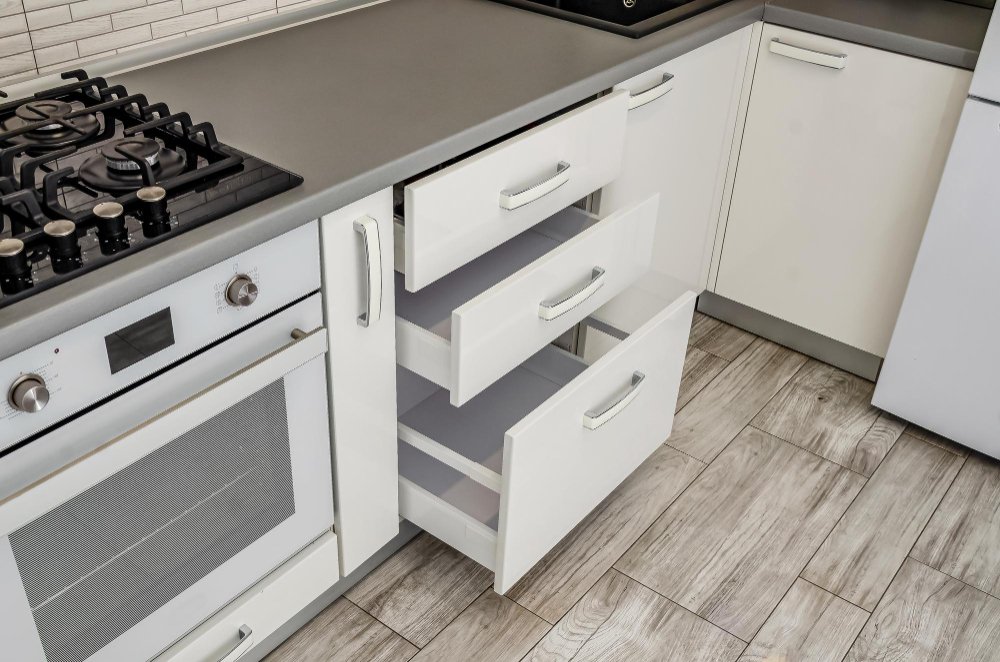
Replaces doors and drawer fronts entirely
Changes door style and profile
Costs more than refinishing
Offers a more dramatic visual change
If you like your door style and just want a color update, refinishing may be the smarter option. If your doors look outdated or damaged, refacing may justify the extra cost. Many homeowners explore Refresh Your Kitchen with Cabinet Refinishing and Refacing when comparing these two routes.
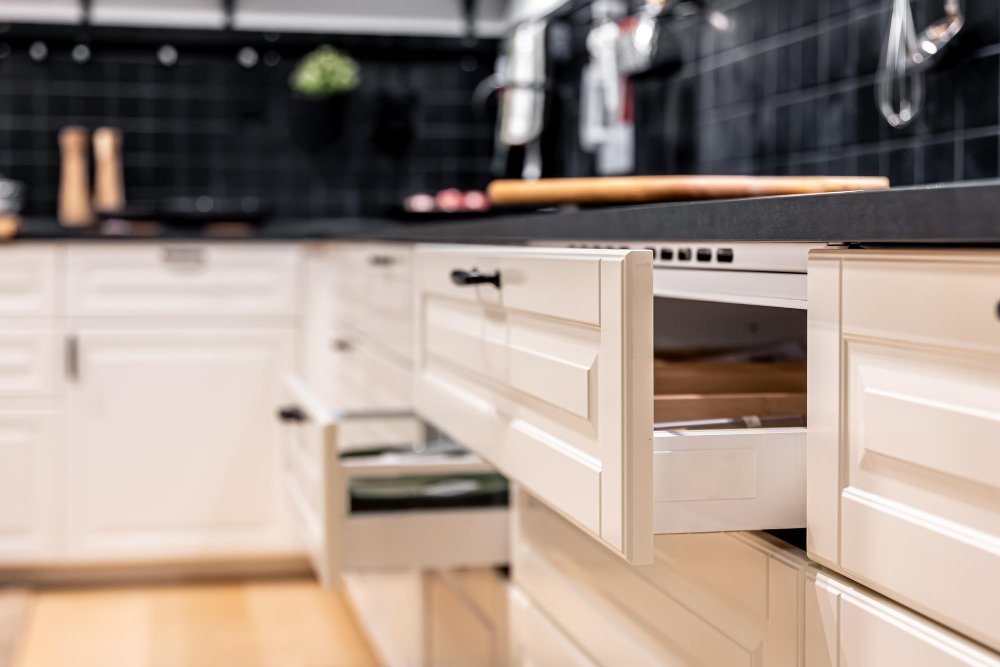
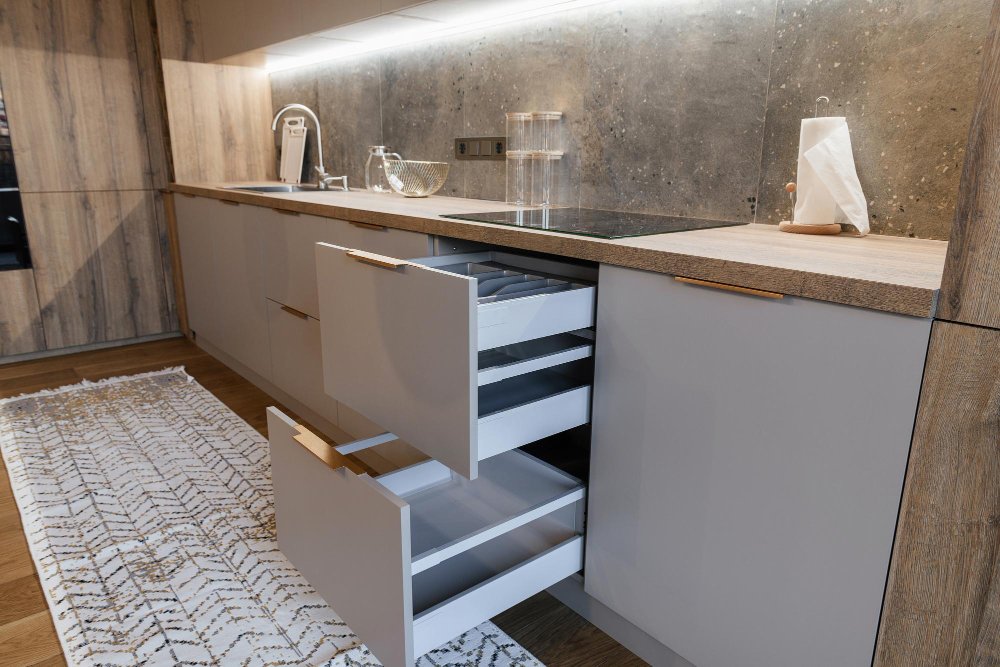
Step 5: Factor in Kitchen Size and Layout
The number of cabinets matters more than square footage.
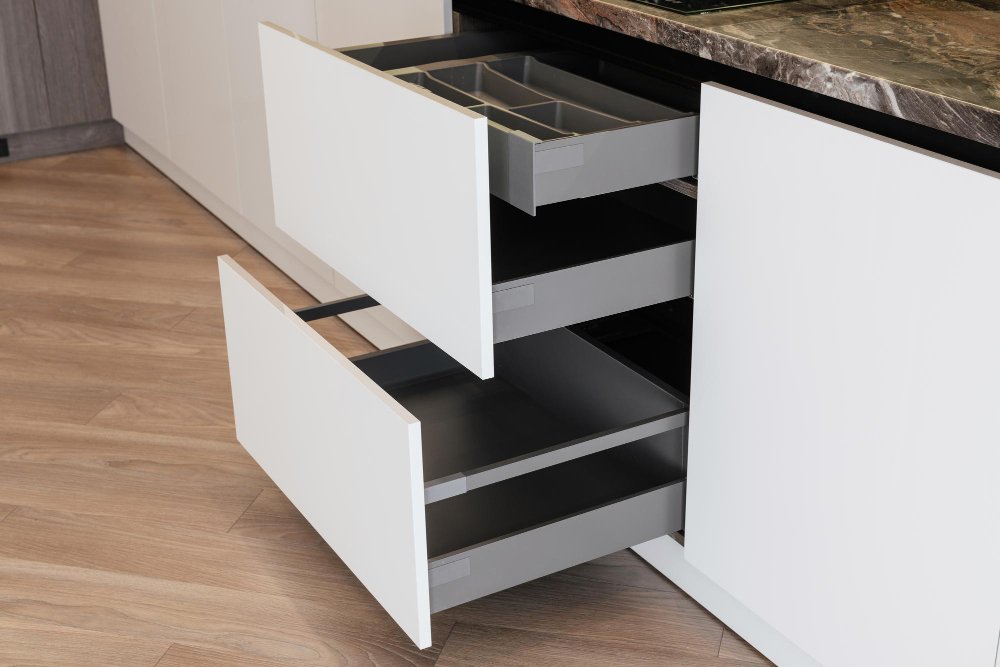
A kitchen with many upper cabinets, drawers, or specialty cabinets (like lazy Susans or pantries) will naturally cost more to reface than a simpler layout.
Even with the same materials, two kitchens can have very different refacing costs based solely on cabinet count and complexity.
Step 6: Account for Labor and Installation
Labor is a significant portion of kitchen cabinet refacing cost. Precision matters—especially when applying veneers and installing doors so everything aligns perfectly.
Professional refacing includes:
Careful removal of old doors
Surface prep of cabinet boxes
Veneer application
Door and drawer installation
Hardware alignment
Skilled labor ensures the finished result looks seamless, not patched together. Homeowners planning a broader upgrade often compare this level of execution to projects like Kitchen Renovation: Transforming Your Space with Style and Function.
Step 7: Consider Project Timeline and Disruption
One underrated advantage of refacing is time.
Most kitchen cabinet refacing projects take 3–5 days, compared to weeks for full replacement. There’s no demolition, no plumbing changes, and minimal disruption to daily life.
For homeowners living in their homes during renovation, this reduced downtime has real value—even if it doesn’t show up as a line item on the invoice.
Step 8: Decide If Refacing Is Worth the Cost for You
Refacing makes the most sense when:
Cabinet boxes are structurally sound
You’re happy with your kitchen layout
You want a noticeable upgrade without a full remodel
You’re balancing budget with long-term value
If your cabinet boxes are damaged, warped, or poorly built, refacing may not be money well spent. In those cases, replacement or refinishing alternatives should be explored. Homeowners often weigh long-term value through guidance like Why Cabinet Refacers Are the Best Investment for Your Home.
Don’t wait!
Contact us now to schedule your consultation and discover how we can transform your kitchen into the heart of your home!
Step 9: Look Beyond Price Alone
Kitchen cabinets refacing cost isn’t just about dollars—it’s about value. Refacing can dramatically change the look of your kitchen, increase perceived home value, and extend the life of your cabinets for many years.
For many homeowners, it strikes the right balance between transformation and restraint.
Final Thoughts
Understanding what goes into kitchen cabinet refacing cost helps you avoid surprises and make decisions based on clarity, not pressure. By breaking the process down step by step, it becomes easier to see whether refacing aligns with your goals, your kitchen, and your budget.
A professional evaluation can help confirm whether your cabinets are good candidates—and whether refacing, refinishing, or another approach will give you the best return on your investment. Learning more through resources like Say Goodbye to Old Cabinets: Cupboard Refacing Made Easy can also help you understand what’s possible.